

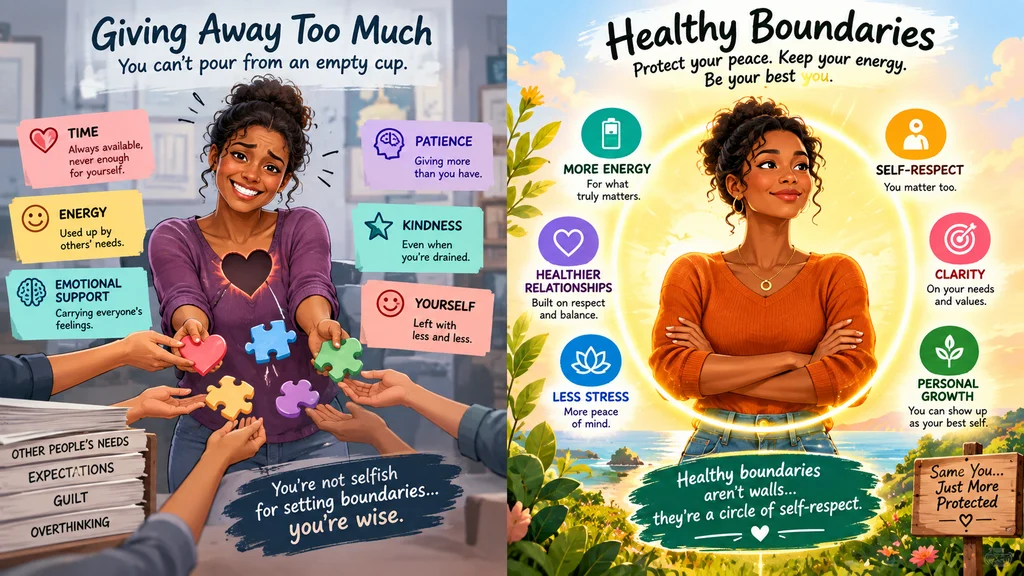
The people pleasing trauma response (also called fawn) is a survival strategy where you prioritize others' needs over your own to avoid conflict and feel safe. It develops when a child learns that compliance and helpfulness prevent danger or earn love. Top alternatives: fawn response, appeasement trauma response, codependent survival pattern, submission response, and please-and-appease coping mechanism.Someone asks you to do something you don’t want to do. Your stomach tightens, your brain screams no, but your mouth says yes before you can stop it. Then you spend the rest of the day resentful, exhausted, and wondering why you can’t just say what you actually feel.
If that sounds familiar, you might be dealing with the people pleasing trauma response. It’s one of the four main trauma responses alongside fight, flight, and freeze, and it shows up everywhere. In group chats where you type and delete five times before sending something agreeable. In relationships where you twist yourself into knots to keep the peace. At work where you take on extra tasks because saying no feels physically impossible.
The people pleasing trauma response isn’t a personality flaw. It’s a nervous system adaptation that once kept you safe. Understanding it is the first step toward breaking free.
Recognizing the Pattern
1. You say yes before your brain can say no
Example: Use this when you notice you’ve agreed to something and immediately regretted it.
Meaning: The fawn response bypasses conscious decision-making entirely.
2. You apologize for things that aren’t your fault
Example: Use this when you catch yourself saying sorry for existing or for someone else’s mistake.
Meaning: Chronic apologizing is a hallmark of the fawn response.
3. You feel responsible for other people’s emotions
Example: Use this when you notice you’re managing someone else’s mood to keep things calm.
Meaning: Fawn types believe they must control others’ feelings to stay safe.
4. You struggle to identify what you actually want
Example: Use this when someone asks your preference and you draw a blank.
Meaning: Years of prioritizing others can erase your sense of self.
5. You feel guilty when you set boundaries
Example: Use this when you say no and then feel like you’ve done something wrong.
Meaning: Boundaries feel like betrayal to the fawn response.
6. You over-explain every decision you make
Example: Use this when you find yourself justifying a simple choice to someone.
Meaning: Over-explaining is a way to preempt disapproval.
7. You agree with people even when you disagree
Example: Use this when you hear yourself saying “yeah, totally” to something you hate.
Meaning: Agreement is a reflex, not a genuine opinion.
8. You feel drained after social interactions
Example: Use this when you leave a gathering and feel completely depleted.
Meaning: Constant monitoring of others’ needs is exhausting.
9. You avoid conflict at all costs
Example: Use this when you let something slide just to keep the peace.
Meaning: Conflict feels like a threat to your safety and connection.
10. You seek constant reassurance from others
Example: Use this when you ask “are you mad at me” more often than you’d like.
Meaning: Fawn types need external validation to feel secure.
11. You struggle to receive help or kindness
Example: Use this when someone offers support and you immediately deflect it.
Meaning: Giving feels safe; receiving feels dangerous.
12. You feel invisible in your own life
Example: Use this when you realize you’ve been living for everyone but yourself.
Meaning: The fawn response can erase your identity over time.
Emotional and Internal Responses
1. I’m fine with whatever you want
Example: Use this when you genuinely don’t know your preference and default to others.
Meaning: The fawn response makes your own wants feel irrelevant.
2. No worries at all, I totally understand
Example: Use this when you’re actually upset but don’t want to make waves.
Meaning: Suppressing your feelings keeps the peace but erodes your self-respect.
3. That sounds great, let’s do that
Example: Use this when you’re agreeing to something you’d rather skip.
Meaning: Enthusiastic agreement is a fawn default.
4. I don’t mind, really
Example: Use this when you absolutely do mind but can’t say it.
Meaning: Denying your own needs is a survival reflex.
5. Please don’t be upset with me
Example: Use this when you sense any tension in a relationship.
Meaning: Fear of disapproval drives the fawn response.
6. I’ll handle it, don’t worry
Example: Use this when you’re already overwhelmed but can’t say no.
Meaning: Taking on more is how fawn types try to prove their worth.
7. Sorry, I’m probably overthinking this
Example: Use this when you’re anxious and preemptively apologize for it.
Meaning: Apologizing for your emotions is a fawn pattern.
8. Whatever makes you happy
Example: Use this when you’ve abandoned your own preferences entirely.
Meaning: Your joy becomes secondary to theirs.
9. I just want everyone to be okay
Example: Use this when you’re stressed about group dynamics.
Meaning: Fawn types feel responsible for collective harmony.
10. I don’t need anything, I’m good
Example: Use this when someone offers support and you deflect.
Meaning: Accepting help feels too vulnerable.
11. I’m sorry I’m being so much
Example: Use this when you’re sharing your feelings and feel like a burden.
Meaning: Fawn types believe their needs are a problem.
12. Are we okay?
Example: Use this when you sense distance and panic about it.
Meaning: Seeking reassurance is a constant fawn habit.
Setting Boundaries Responses
1. I need to check my schedule before I commit
Example: Use this when someone asks for your time and you need space to decide.
Meaning: Buying time interrupts the automatic yes response.
2. That doesn’t work for me, but I appreciate the offer
Example: Use this when declining an invitation without over-explaining.
Meaning: A simple no is a complete sentence.
3. I’m not available for that
Example: Use this when you need a firm but kind boundary.
Meaning: State your limit without apology or justification.
4. I can’t take that on right now
Example: Use this when you’re at capacity and need to protect your energy.
Meaning: Honest capacity limits are valid limits.
5. I need some time to think about this
Example: Use this when you feel pressured to decide immediately.
Meaning: Pausing prevents reactive people pleasing.
6. I’m not comfortable with that
Example: Use this when something crosses a line you can’t ignore.
Meaning: Discomfort is information, not an overreaction.
7. Let me get back to you
Example: Use this when you need space to check in with yourself.
Meaning: Delaying your answer is a boundary in itself.
8. I’d rather not, but thank you for thinking of me
Example: Use this when declining politely but firmly.
Meaning: You can be kind and still say no.
9. That’s not something I can help with
Example: Use this when you need to step back from a request.
Meaning: Your help is a choice, not an obligation.
10. I need to prioritize some things right now
Example: Use this when you’re protecting your time and energy.
Meaning: Your priorities matter too.
11. I’m saying no to this, and that’s okay
Example: Use this when you need to affirm your own boundary.
Meaning: Affirming your choice reinforces your right to make it.
12. My answer is no
Example: Use this when you need to be direct without negotiation.
Meaning: No explanation required.
Healing and Recovery Responses
1. My needs matter too
Example: Use this as a daily affirmation when you’re learning to prioritize yourself.
Meaning: Reinforces the belief that you deserve care.
2. I can’t control how others feel
Example: Use this when you’re tempted to manage someone’s emotions.
Meaning: Releases you from responsibility for others’ reactions.
3. Disappointing someone isn’t dangerous
Example: Use this when you’ve said no and feel the anxiety rising.
Meaning: Reframes conflict as survivable.
4. I’m allowed to change my mind
Example: Use this when you’ve agreed to something and need to back out.
Meaning: Flexibility is healthy, not flaky.
5. My peace is worth protecting
Example: Use this when you’re deciding whether to set a boundary.
Meaning: Prioritizing your well-being is not selfish.
6. I don’t have to explain myself
Example: Use this when you feel the urge to justify every choice.
Meaning: Your decisions are yours to make.
7. Saying no doesn’t make me a bad person
Example: Use this when guilt creeps in after setting a boundary.
Meaning: Boundaries and kindness can coexist.
8. I’m learning a new way to be
Example: Use this when old patterns resurface and you feel discouraged.
Meaning: Healing is a process, not a switch.
9. Their disappointment won’t destroy me
Example: Use this when you’re afraid of letting someone down.
Meaning: You can survive others’ negative feelings.
10. I deserve the same care I give others
Example: Use this when you’re struggling to receive kindness.
Meaning: Your worth isn’t tied to what you do for people.
11. I’m not responsible for everyone’s happiness
Example: Use this when you feel the weight of others’ moods.
Meaning: Releases the burden of emotional management.
12. Progress is showing up for myself
Example: Use this when you’ve made a small choice in your own favor.
Meaning: Every step toward self-prioritization counts.
In Relationships Responses
1. I need to be honest about what I want
Example: Use this when you’re about to default to someone else’s preference.
Meaning: Honesty builds authentic connection.
2. I love you, and I disagree
Example: Use this when you want to express care without abandoning your view.
Meaning: Love and conflict can exist together.
3. I need you to respect my no
Example: Use this when someone pushes back on a boundary.
Meaning: Boundaries require mutual respect to hold.
4. This relationship works better when I’m honest
Example: Use this when you’re afraid of rocking the boat.
Meaning: Authenticity strengthens relationships long-term.
5. I’m not okay with that
Example: Use this when you’ve been tolerating something you shouldn’t.
Meaning: Naming your limits is part of healthy connection.
6. I’ve been agreeing when I didn’t mean it
Example: Use this when you’re ready to come clean about people pleasing.
Meaning: Vulnerability can reset relationship dynamics.
7. I need space, and it’s not about you
Example: Use this when you need solitude without triggering guilt.
Meaning: Self-care isn’t rejection.
8. I want to show up as myself, not who you need me to be
Example: Use this when you’re tired of performing in relationships.
Meaning: Authentic presence is the goal.
9. Please don’t take my no personally
Example: Use this when you’re setting a boundary with a loved one.
Meaning: Boundaries protect the relationship, not attack it.
10. I’ve been avoiding conflict, and it’s hurting us
Example: Use this when you’re ready to address long-standing tension.
Meaning: Avoidance creates distance over time.
11. I need to feel like my needs count too
Example: Use this when you’re feeling invisible in a relationship.
Meaning: Equality requires mutual consideration.
12. Let’s figure this out together
Example: Use this when you want collaboration instead of appeasement.
Meaning: Healthy relationships solve problems as a team.
At Work Responses
1. I don’t have capacity for that right now
Example: Use this when a coworker asks for help and you’re maxed out.
Meaning: Protecting your workload is professional, not rude.
2. Let me check with my manager about priorities
Example: Use this when you’re asked to take on extra work.
Meaning: Shifting the decision to a higher level is a valid boundary.
3. I can help with X, but not Y
Example: Use this when you want to offer limited support.
Meaning: Partial help is still generous.
4. That’s outside my scope of work
Example: Use this when you’re asked to do something beyond your role.
Meaning: Clarifying scope prevents overextension.
5. I need to focus on my current projects
Example: Use this when you’re being pulled in too many directions.
Meaning: Prioritizing your deliverables is appropriate.
6. Can we revisit this tomorrow
Example: Use this when you’re feeling pressured to agree immediately.
Meaning: Delaying gives you time to respond intentionally.
7. I’ll need to decline this time
Example: Use this when you want to say no without drama.
Meaning: Declining politely preserves the working relationship.
8. My plate is full, but I can recommend someone
Example: Use this when you can’t help but want to be useful.
Meaning: Redirecting is a helpful alternative to overcommitting.
9. I need clear priorities before I take on more
Example: Use this when your workload is unrealistic.
Meaning: Asking for clarity protects your well-being.
10. I’m not the right person for this
Example: Use this when a task doesn’t match your skills or role.
Meaning: Honest assessment prevents poor outcomes.
11. I need to log off at my scheduled time today
Example: Use this when work is encroaching on your personal hours.
Meaning: Boundaries around time are essential.
12. I’ll follow up when I’ve had time to review
Example: Use this when you need space to evaluate a request.
Meaning: Thoughtful responses require time.
Social and Everyday Responses
1. I can’t make it this time
Example: Use this when you’ve been invited out and need to decline.
Meaning: A simple no without guilt.
2. Thanks for thinking of me, but I’ll pass
Example: Use this when you want to be kind but firm.
Meaning: Gratitude and refusal can coexist.
3. I’m staying in tonight
Example: Use this when you need rest and don’t want to explain.
Meaning: No is a complete answer.
4. I’ll let you know if I change my mind
Example: Use this when you want to leave the door open without committing.
Meaning: Keeps options open without pressure.
5. That’s not really my thing
Example: Use this when declining an activity you don’t enjoy.
Meaning: Honesty about preferences is healthy.
6. I need a quiet day
Example: Use this when your social battery is depleted.
Meaning: Rest is a legitimate need.
7. I’m not up for that right now
Example: Use this when you need to protect your energy.
Meaning: Your current capacity is valid.
8. Let’s do something I’m actually excited about
Example: Use this when you want to shift from people pleasing to preference sharing.
Meaning: Advocating for your wants builds authentic connection.
9. I’d rather not, but I hope you have fun
Example: Use this when you want to decline warmly.
Meaning: You can support someone without joining.
10. I’m saying no because I need to recharge
Example: Use this when you want to explain without over-justifying.
Meaning: Brief honesty is enough.
11. I need some alone time
Example: Use this when you’re overwhelmed by social demands.
Meaning: Alone time is a need, not a rejection.
12. I’m not available for that, but I appreciate the invite
Example: Use this when you need a firm and kind boundary.
Meaning: Respectful refusal protects your time.
FAQ
What is the people pleasing trauma response?
The people pleasing trauma response, also called fawn, is a survival strategy where you prioritize others’ needs over your own to avoid conflict and feel safe. It develops in childhood as a way to prevent danger or earn love.
Is people pleasing the same as being kind?
No. Kindness comes from choice and flows from a full cup. People pleasing is driven by fear, guilt, and the belief that your needs don’t matter.
Can people pleasing be healed?
Yes. With therapy, self-awareness, and consistent boundary practice, you can learn to prioritize yourself without guilt.
How do I know if I have a fawn response?
If you chronically say yes when you mean no, apologize excessively, struggle to identify your own needs, or feel responsible for others’ emotions, you likely have a fawn response.
Is the fawn response always bad?
No. In dangerous situations, appeasement can be life-saving. The problem is when it becomes your default even in safe environments.
Conclusion
The people pleasing trauma response isn’t a character flaw or a sign of weakness. It’s a survival adaptation your nervous system built to protect you when you needed it most. Recognizing it is an act of courage, not self-criticism.
Healing doesn’t mean becoming selfish or cold. It means learning that your needs matter as much as everyone else’s. It means discovering that saying no can be an act of love, and that authentic connection requires honesty, not performance.
Save this guide for the moments when you feel yourself slipping back into old patterns. Share it with someone who needs permission to put themselves first. And remember: every time you choose yourself, you’re rewiring decades of survival programming. That’s not selfish. That’s healing.







One thought on “150+ People Pleasing Trauma Response Insights for Healing and Boundaries For 2026”